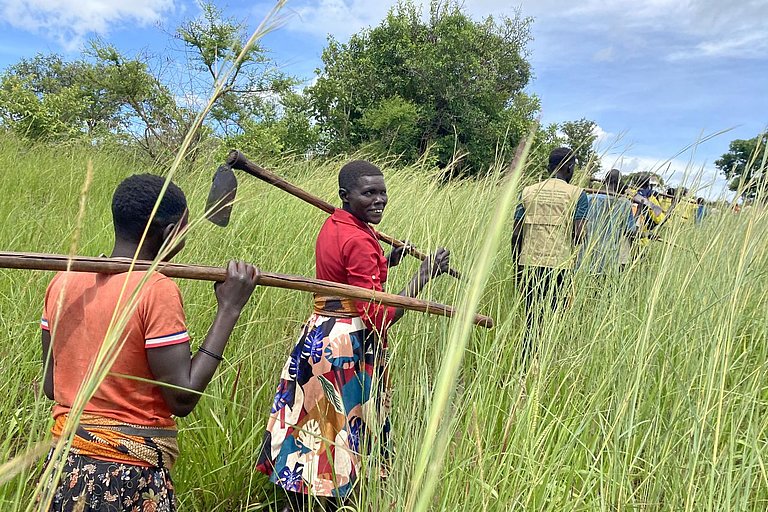
Karamoja is one of Uganda’s poorest regions and is severely affected by food insecurity. The population's livelihoods are threatened by recurring droughts, erratic rainfall and traditional farming methods. Women, widows, older adults and families with children under five are particularly vulnerable. Although women do most of the agricultural work, they have little influence over decisions regarding livestock and productive resources.
How we work
Participants learn practical, climate-adapted farming methods, soil conservation, agroforestry and crop diversification through community-based learning groups focused on sustainable agriculture and livestock farming. In addition, savings and credit groups are set up to strengthen financial resilience. Households are supported in setting up home gardens with nutrient-rich crops, such as orange-fleshed sweet potatoes and iron-rich beans, and in raising poultry and pigs.
Village health teams conduct training sessions to help mothers and families to better nourish their infants and young children. We also collaborate with local committees to develop emergency response plans.
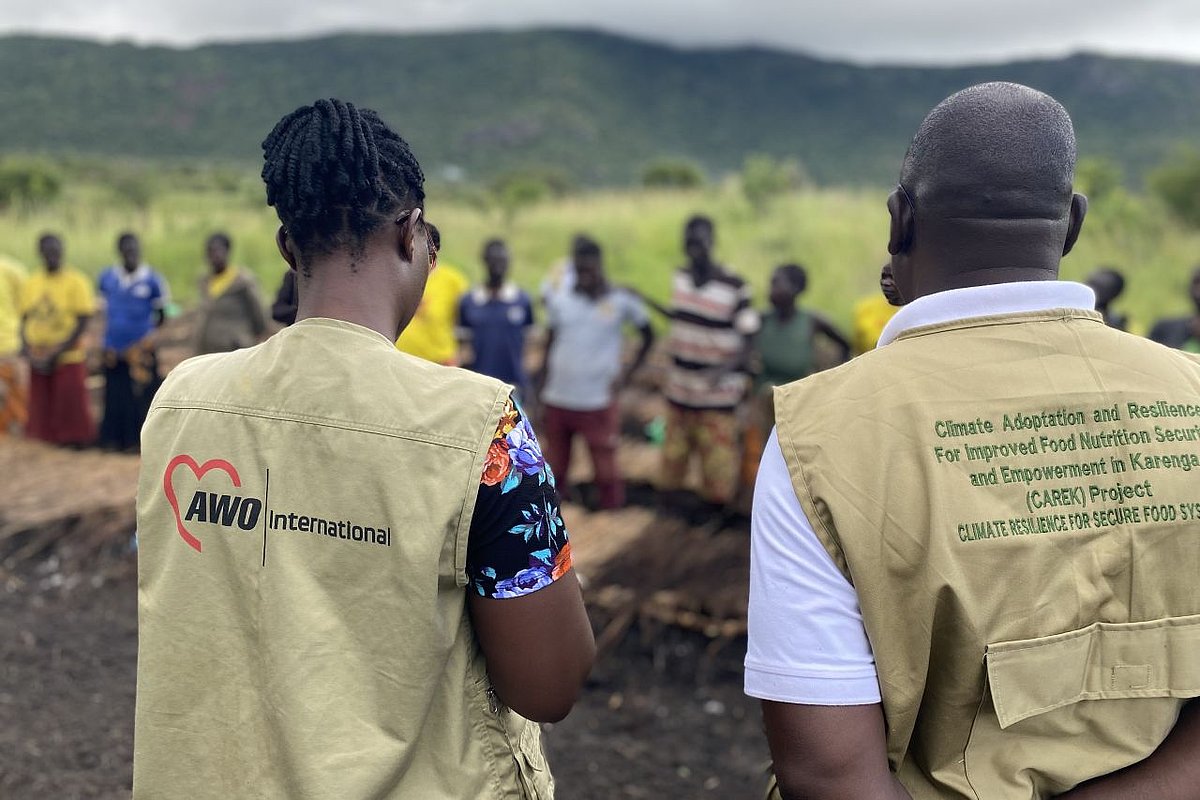
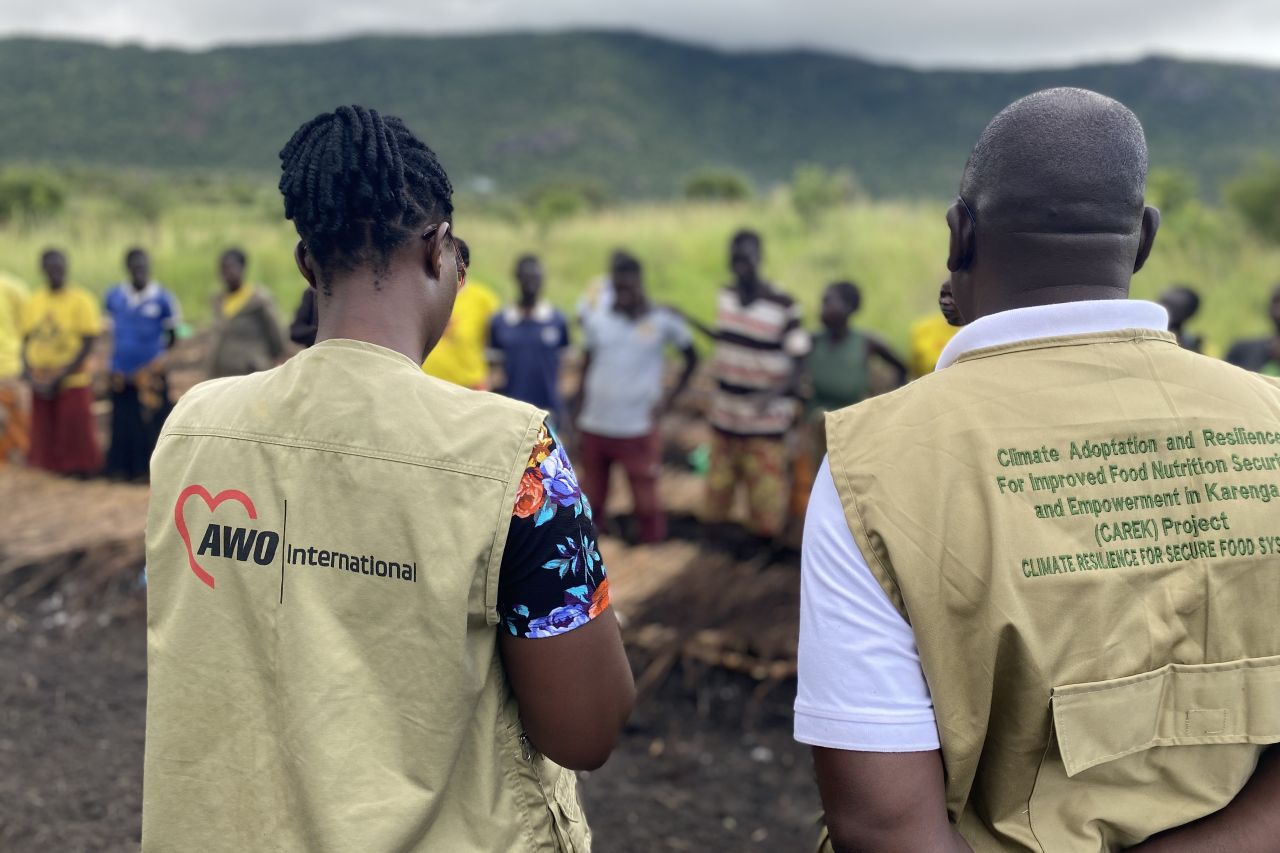
AWO International and GARD are working closely together to improve the livelihoods of people in Karenga.
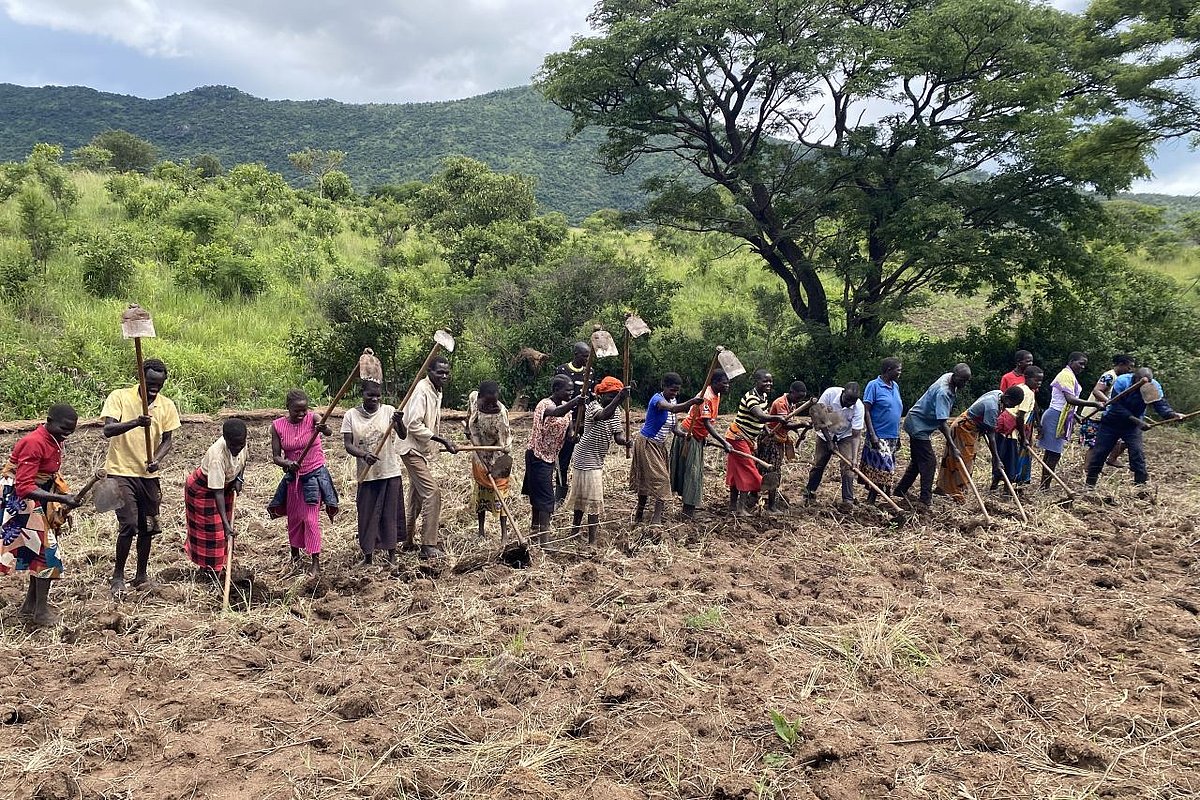
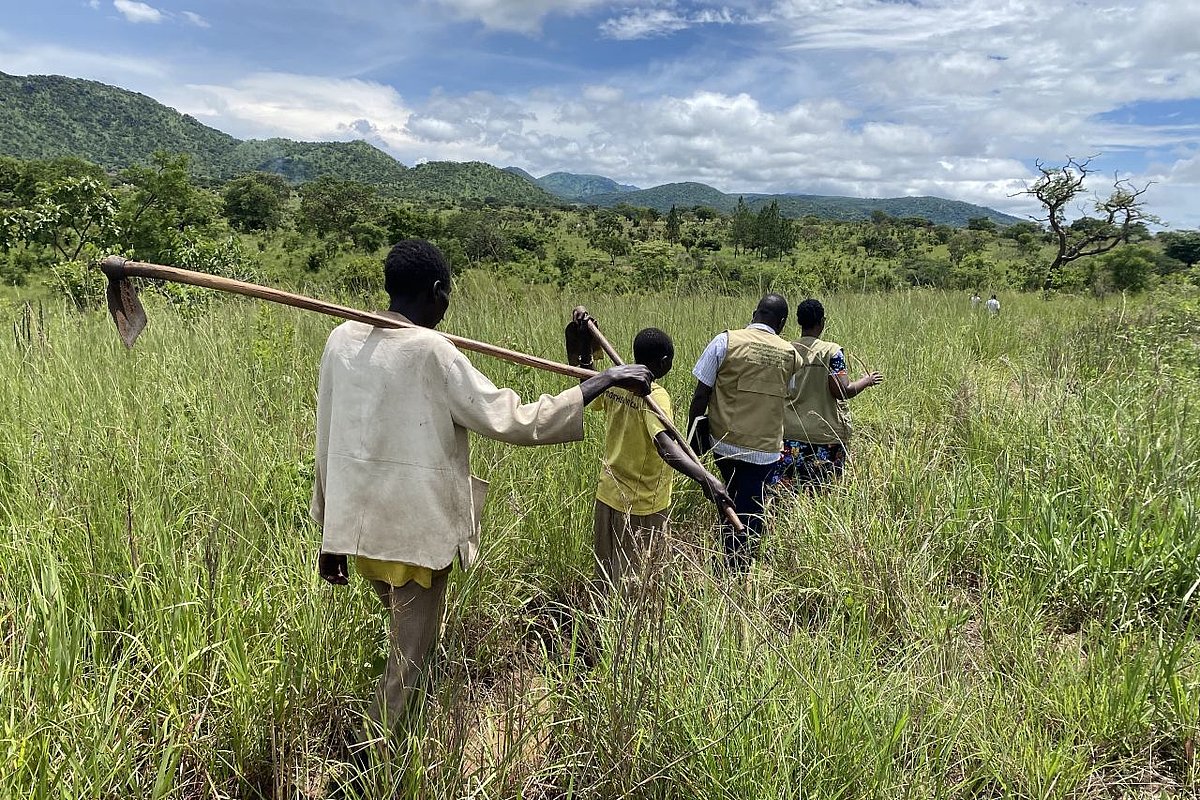
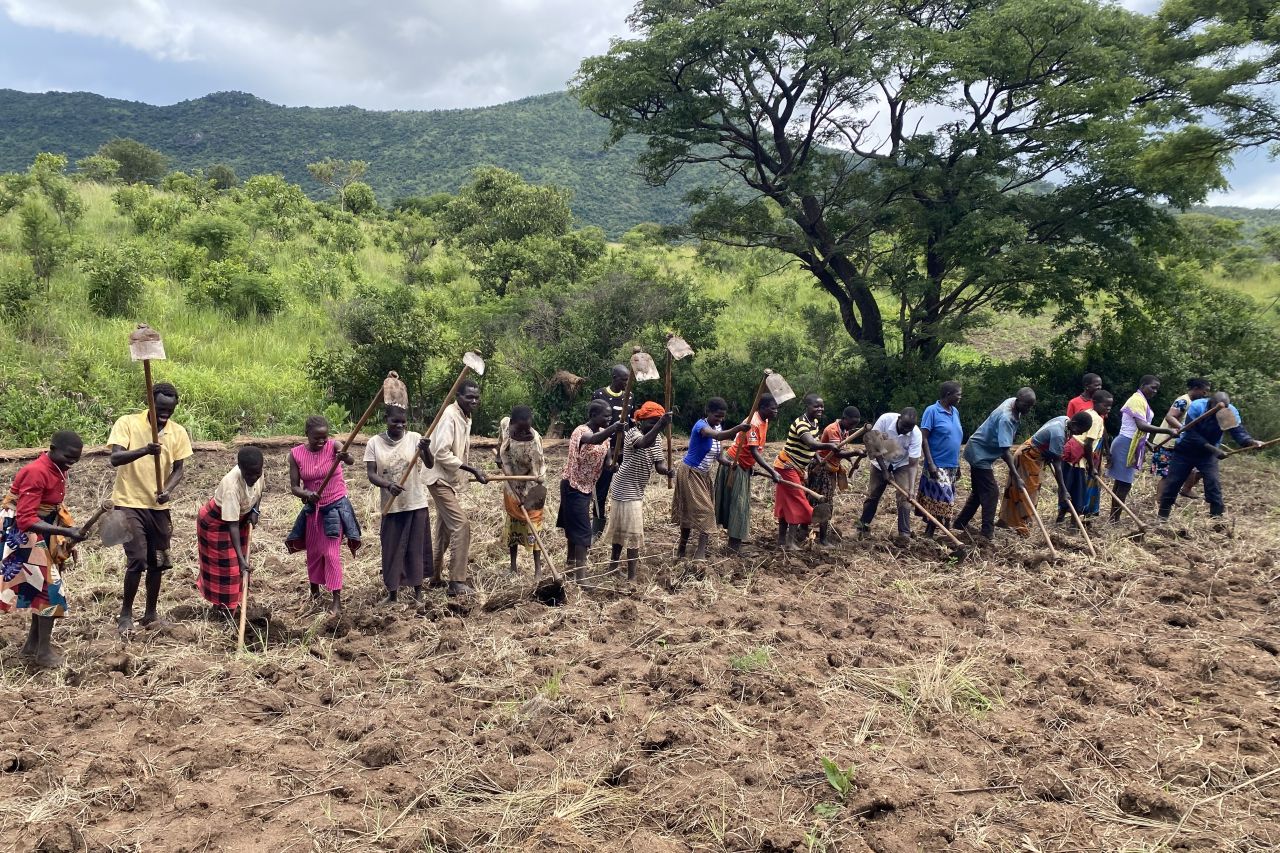
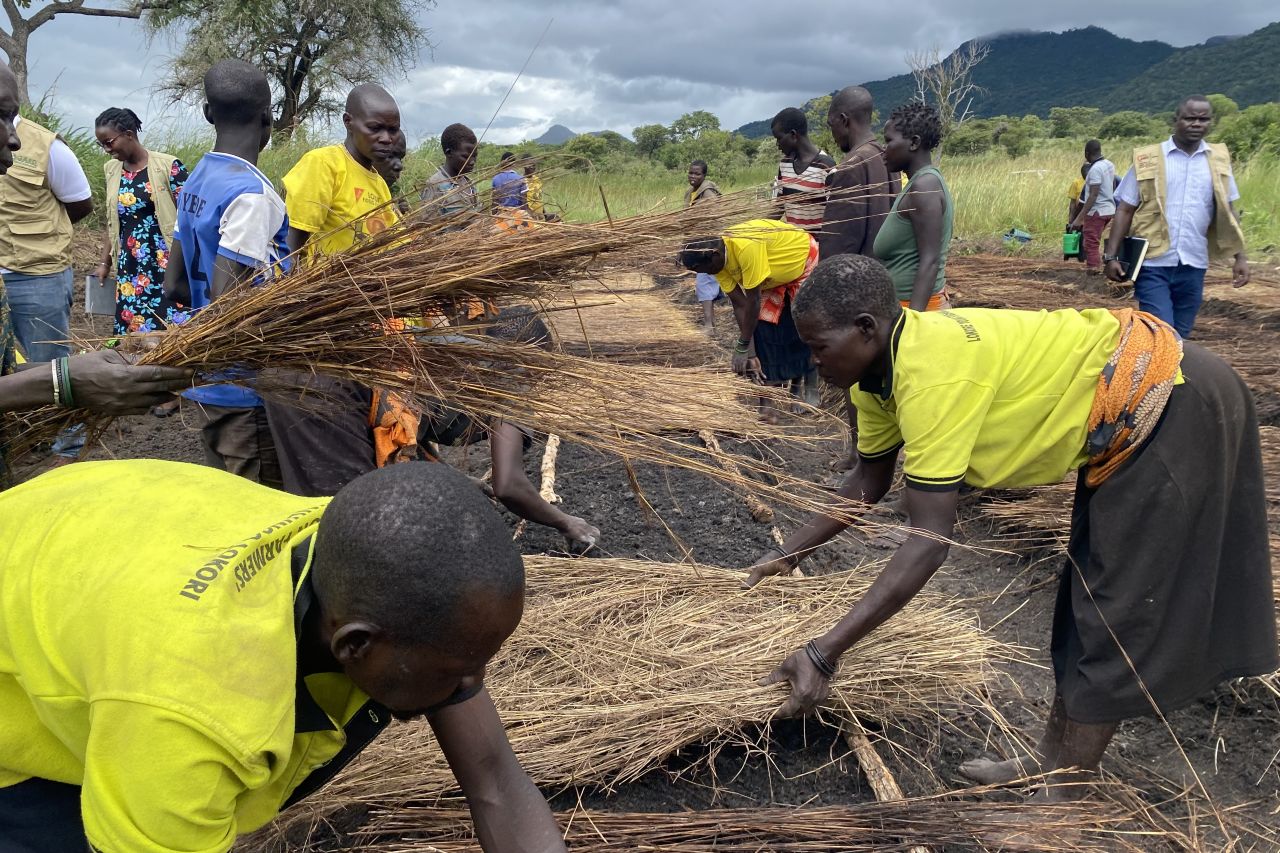
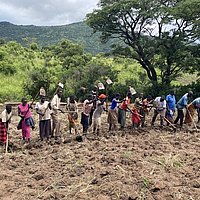
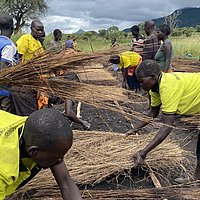
In collaborative learning groups, farmers learn new farming methods through hands-on experience in the field and by sharing knowledge with one another.
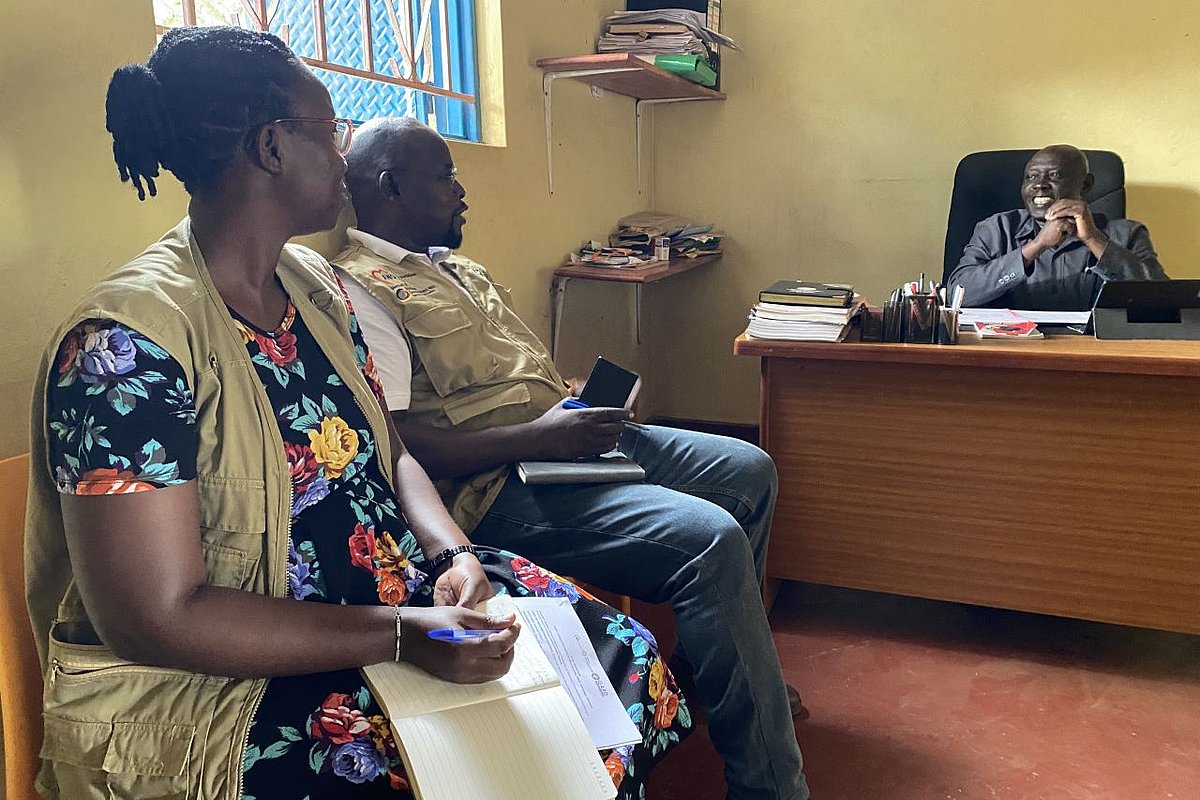
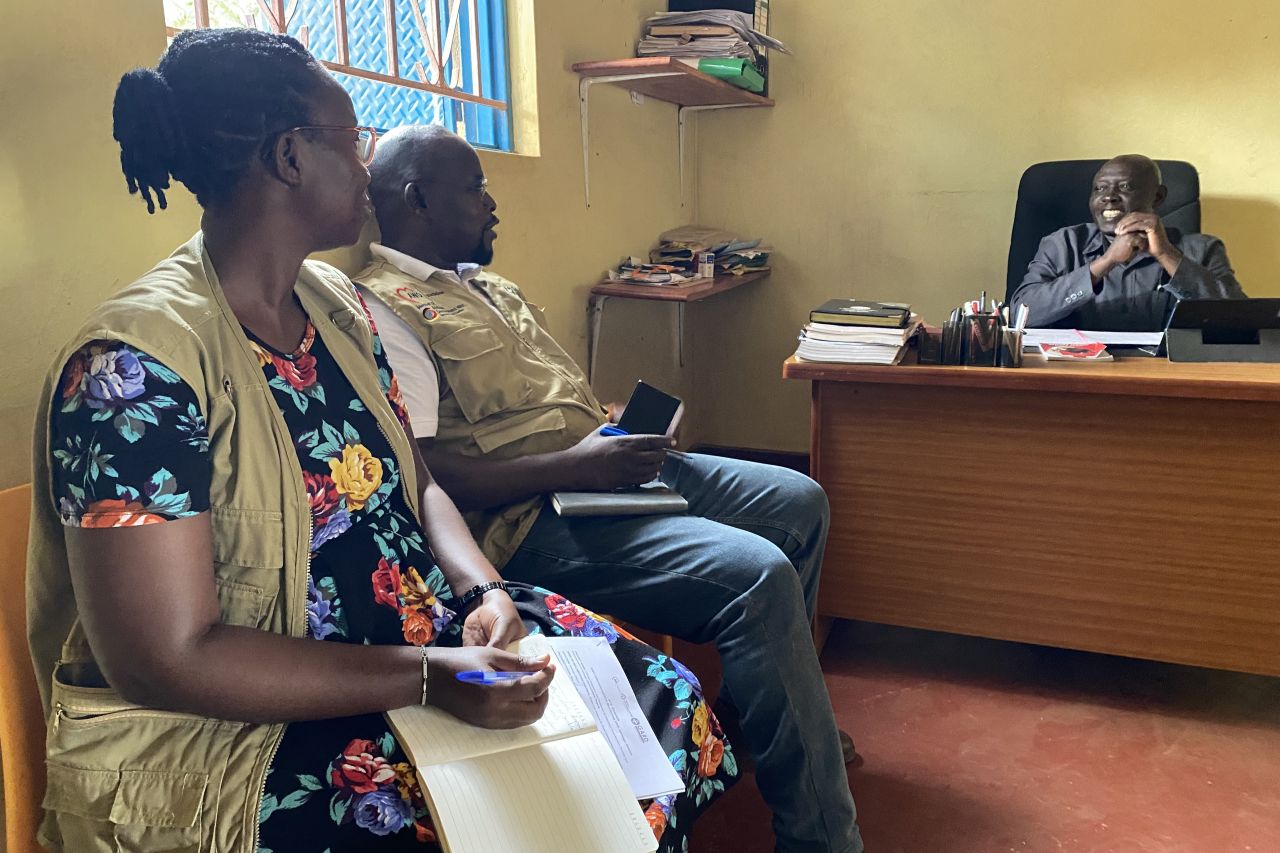
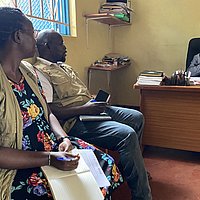
Collaboration at all levels: The project team keeps in close contact with local decision-makers.
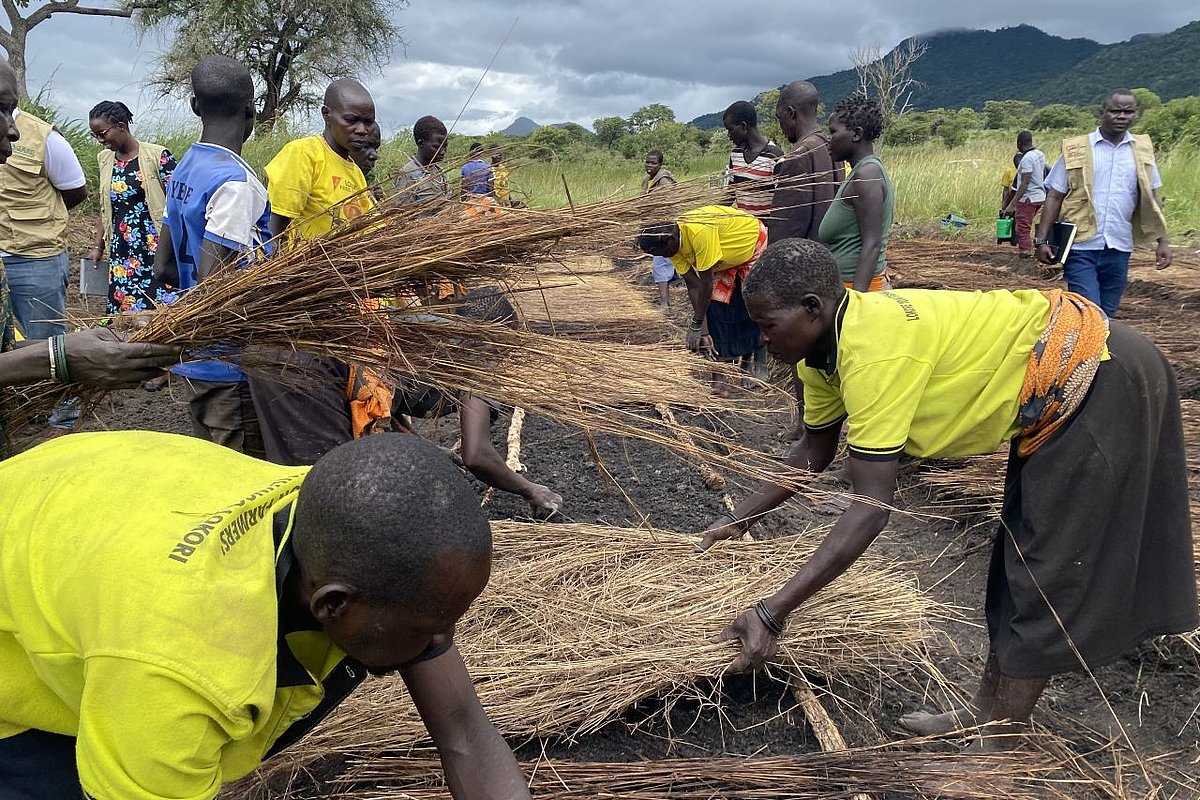
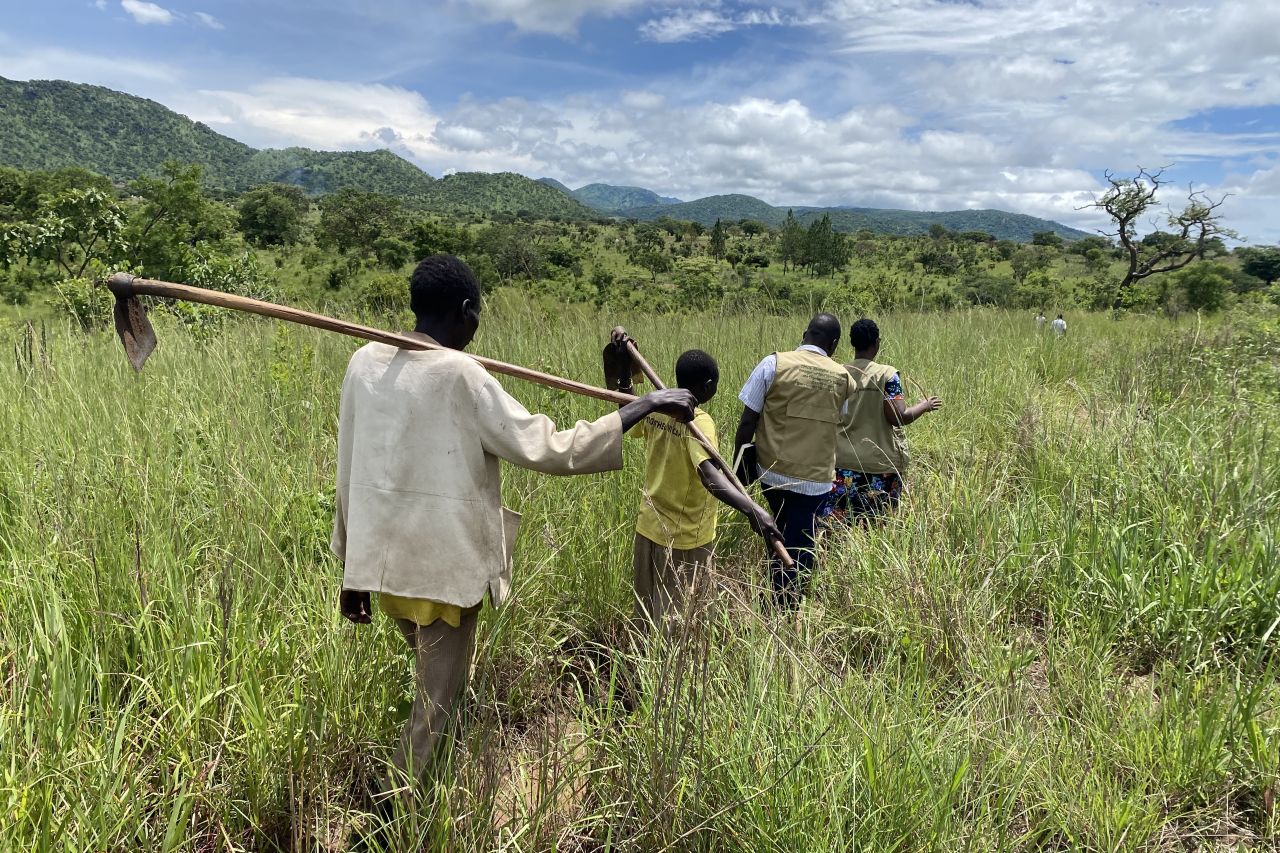
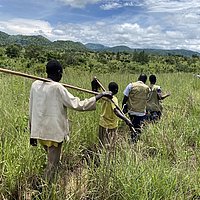
Farmers in Karenga are adapting to changing weather conditions by using climate-adapted farming methods.
Projectinfo
| Place/Region | Kawalakol and Lokori Sub Counties, Karenga, Uganda (Karamoja Subregion) |
|---|---|
| Partner | Grassroots Alliance for Rural Development (GARD) |
| Activities |
|
| Duration | 01.11.2025 - 31.07.2027 |
| Budget | 150.000 Euro |
| Sponsor | ADH (Aktion Deutschland Hilft) |
You might also be interested in

Stronger together: Securing food and promoting peace in Uganda
Bidibidi in northern Uganda is one of the largest refugee settlements in the world. Many people there live in poverty and are affected by hunger. Together with our partner organisation AFARD, we support refugee and local families and work to improve their living conditions.
more information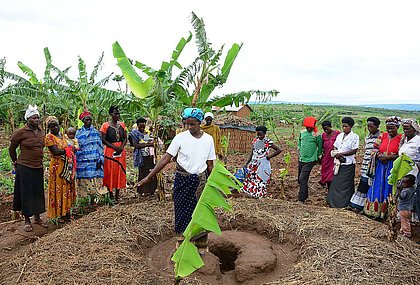
Acting in solidarity, creating lasting change - for a just future in Uganda
Lamwo District in northern Uganda is one of the poorest regions in the country and at the same time a place of refuge for many people from neighboring South Sudan. Together with the Ugandan organization UCOBAC, we support refugee and local communities in securing their nutrition, generating income, and strengthening social cohesion.
more information