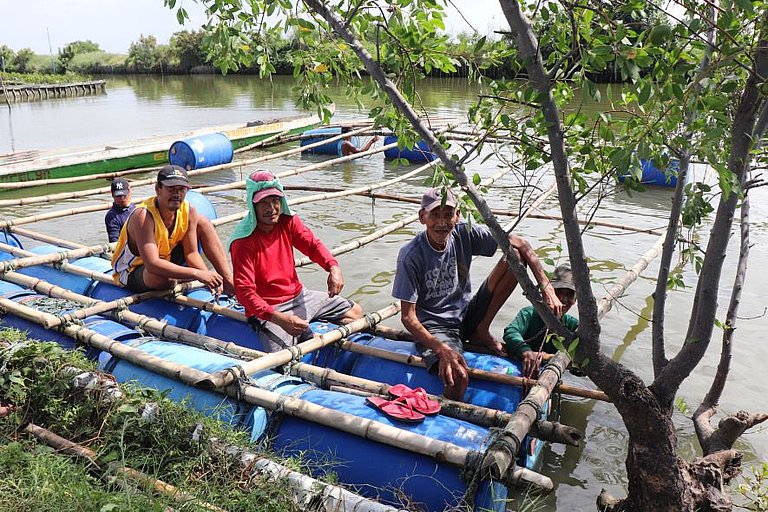
AWO International has defined three key cross-cutting issues that must be taken into account in all humanitarian projects: gender equality, inclusion, and climate and environmental protection.
Gender equality
AWO International considers gender equality to be a fundamental issue that should be addressed throughout all areas and stages of life. The aim is to ensure equal rights, responsibilities and opportunities for all genders. In particular, the self-determination of women and girls should be promoted. AWO International is also committed to the equitable distribution of resources and the participation of all genders in decision-making processes.
Inclusion
AWO International defines inclusion as the removal of barriers that prevent people from enjoying their rights equally. AWO International promotes the involvement of marginalised groups in the design, implementation and evaluation of projects, ensuring that everyone has access to services and opportunities. Systematic capacity building and expertise development among employees and partner organisations is crucial to promoting an inclusive attitude and measures.
Climate and environmental protection
AWO International recognises the climate crisis and environmental protection as key challenges, and is committed to taking measures that combat the effects of the climate crisis and promote environmental protection in its humanitarian projects. The organisation aims to gradually reduce CO₂ emissions and integrate environmentally friendly practices into the procurement and implementation of projects, in order to minimise negative environmental impact.