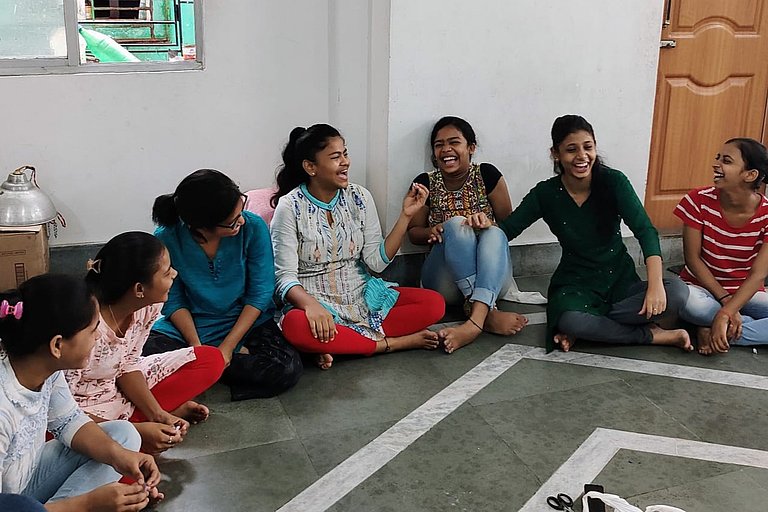
Combating poverty and exploitation
The Bowbazar red-light district is a place characterised by poverty and exploitation. Many women and girls are at risk of human trafficking, forced marriage and sexual assault. Some grow up in the brothels of Bowbazar. A lack of income opportunities keeps the women in a state of dependency and exploitation. Income opportunities in the district are limited and often involve illegal activities or pose physical risks. In some parts of India, prostitution is the main source of income for families – and this is also the case in Bowbazar.
Together with our partner South Kolkata Hamari Muskan (SKHM), we are creating new prospects for around 80 women aged between 18 and 45 from Bowbazar. SKHM has been active in the area since 2009 and focuses on women in prostitution and young people growing up in red-light districts. SKHM has been a valued partner of AWO International for several years now.
New skills for new perspectives
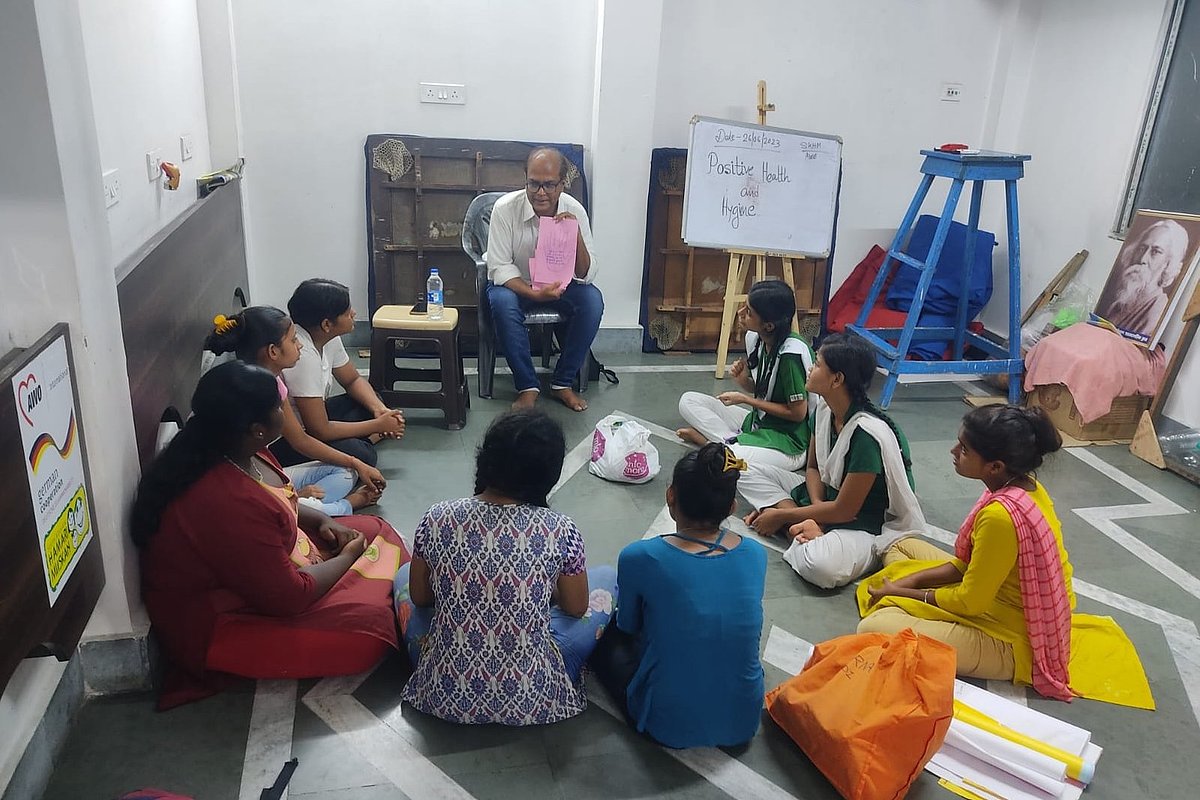
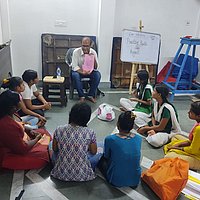
The aim of the project is to support the women in finding safe and legal ways to earn a living. This enables them to build a self-determined life free from exploitation and prostitution. Through counselling sessions, the women learn more about safe migration, health and hygiene. Psychological support boosts their self-confidence and helps them to develop new prospects for the future.
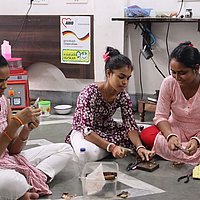
Through various workshops and training courses, the women improve their reading and writing skills, for example, or learn to sew or produce different types of food. This enables them to apply for a range of jobs or set up their own small business locally. Through SKHM’s extensive network of employment and training agencies, the women also have the opportunity to explore further career and further education opportunities.
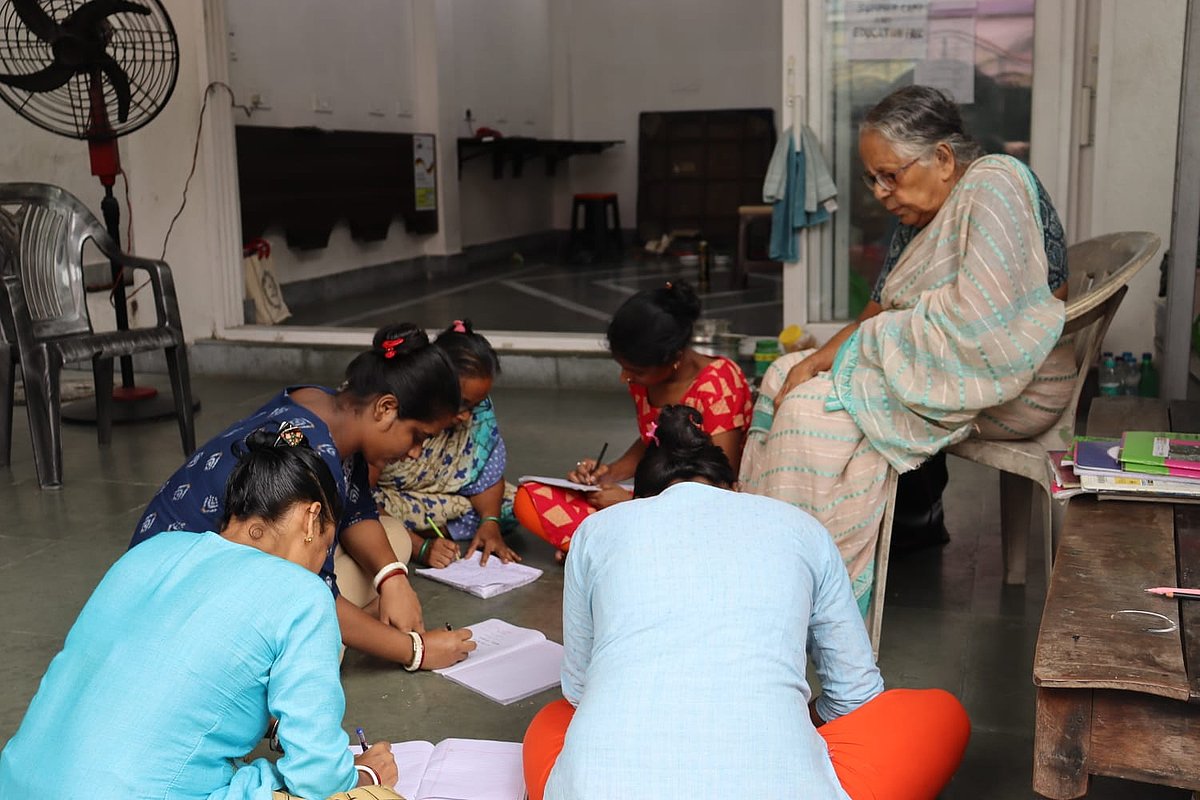
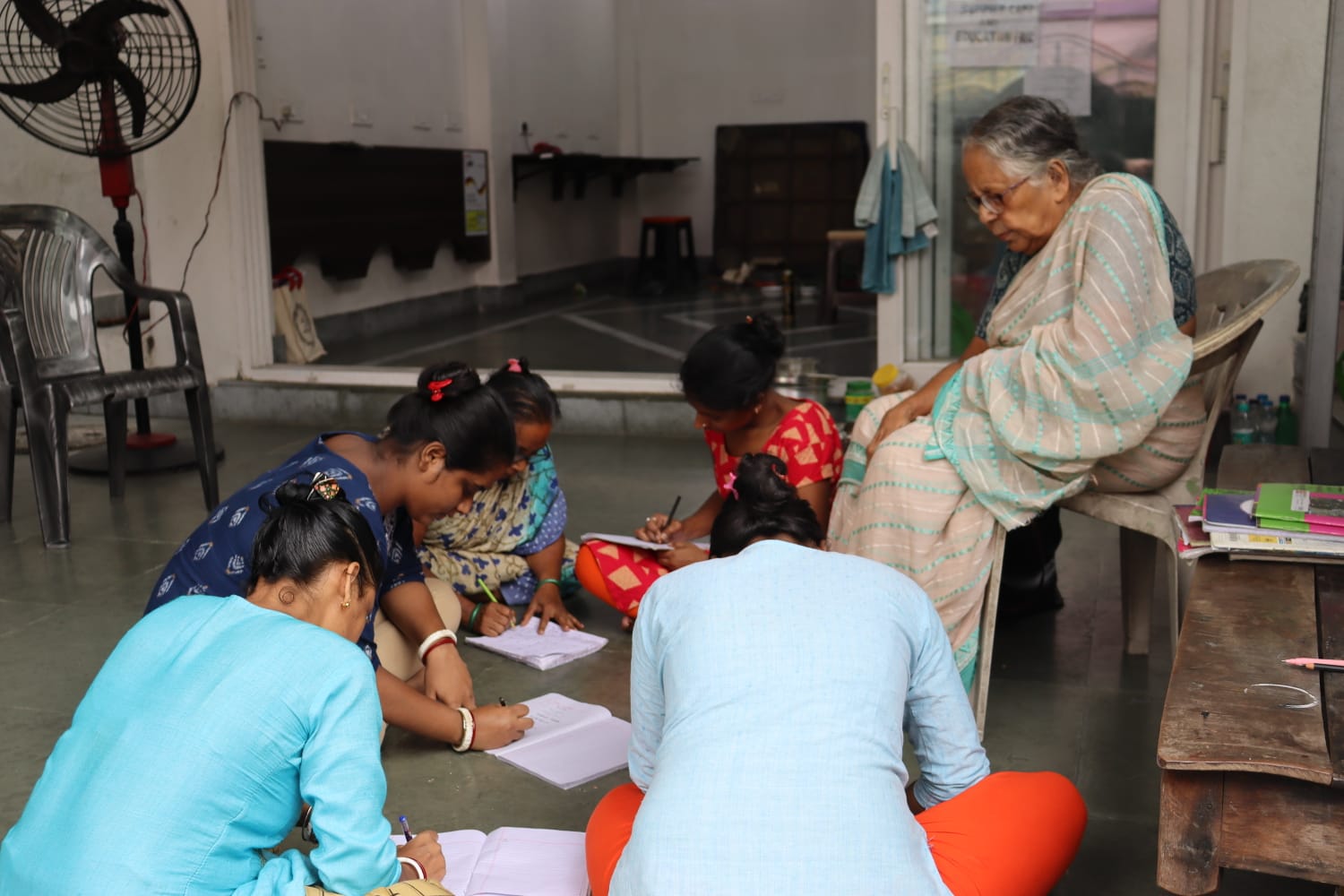
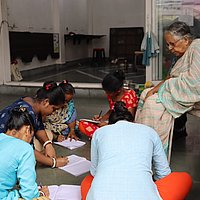
By improving their literacy skills, women are also improving their career opportunities.
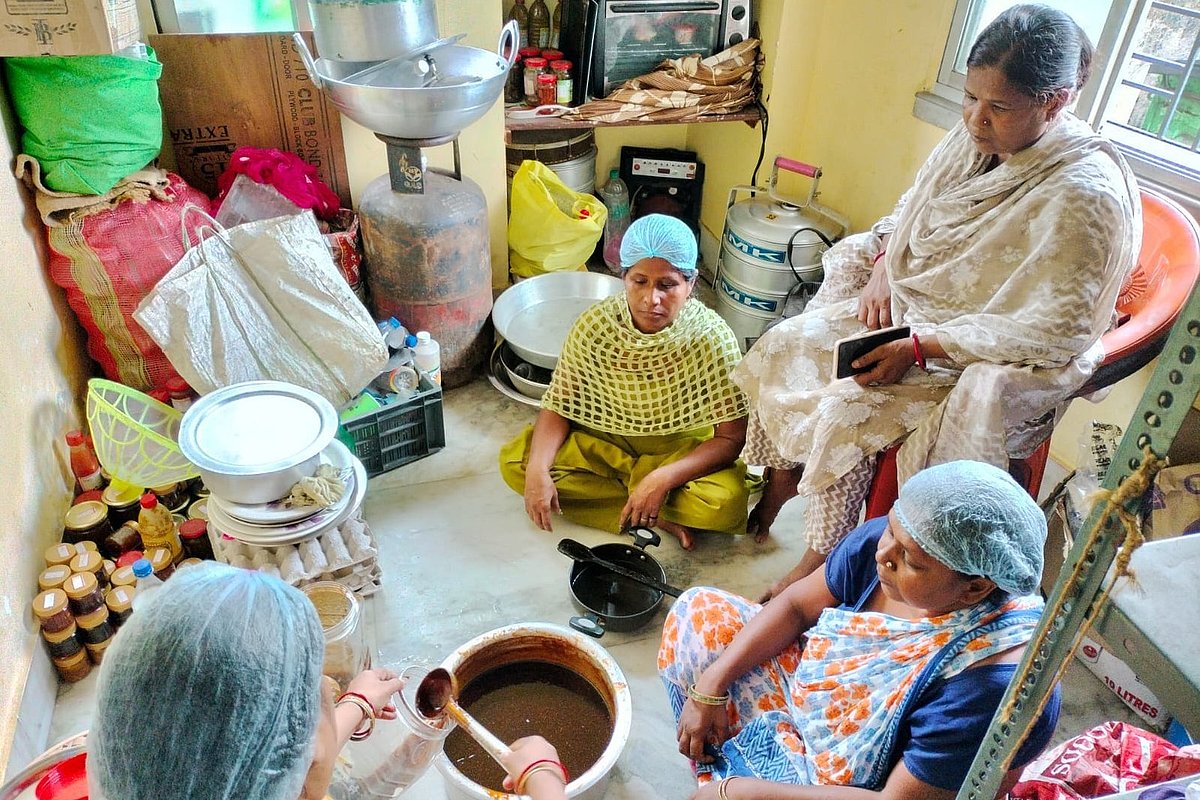
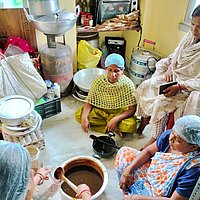
Through cookery classes, the women learn how to prepare and process various foods.
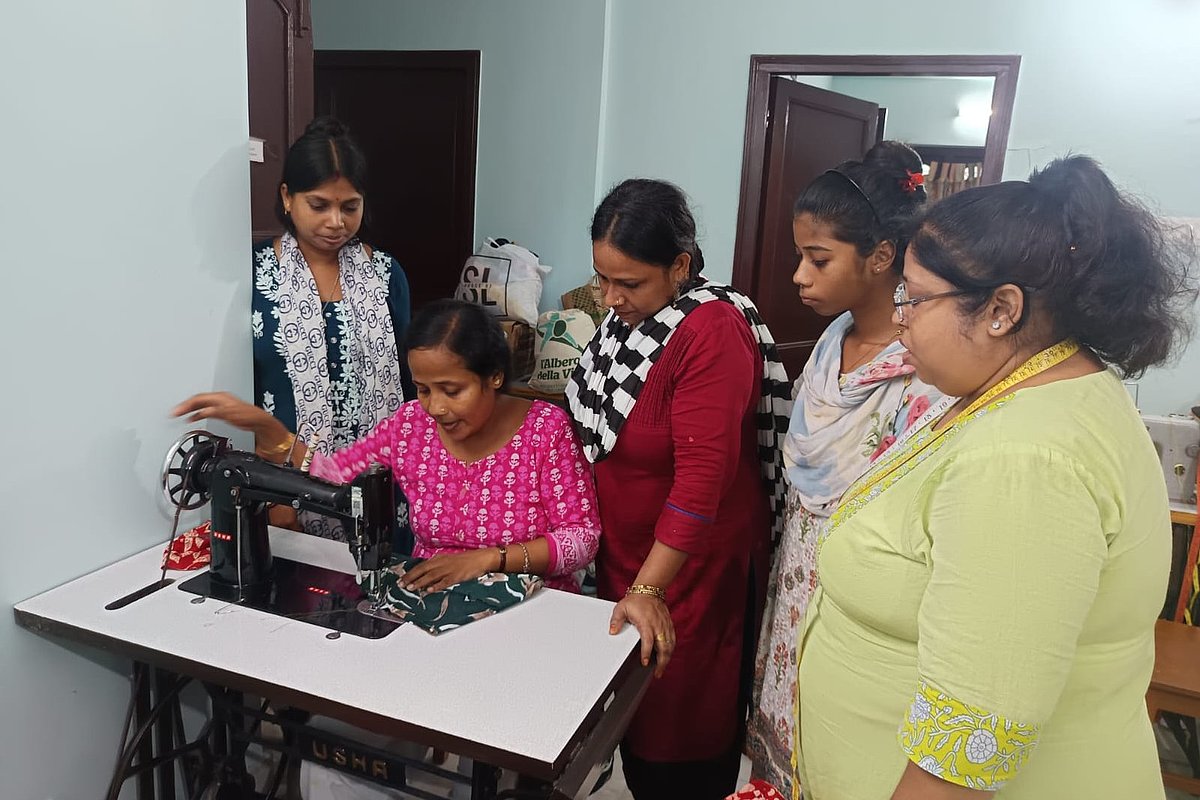
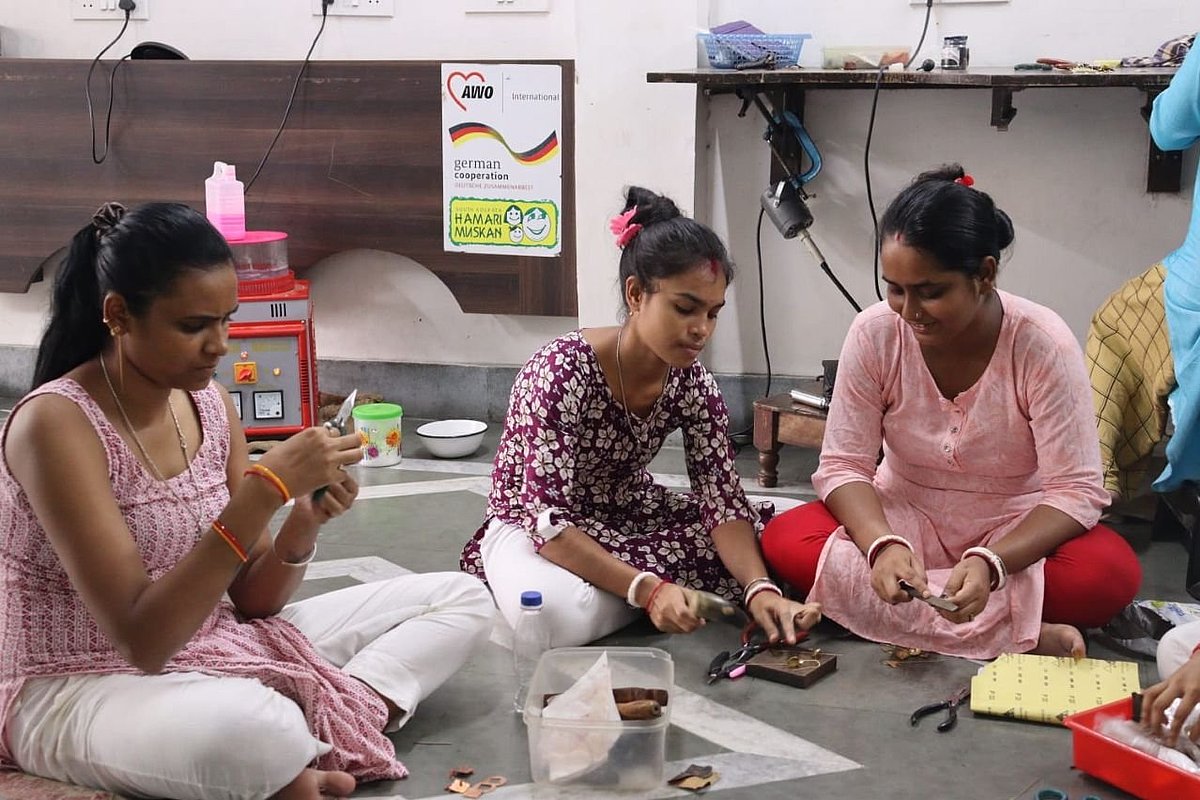
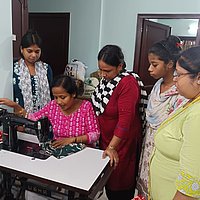
As the women learn to sew, they are given the opportunity to earn their own income quickly and with minimal barriers to entry.


Projectinfo
| Place/Region | Kolkata, India |
|---|---|
| Partner | SKHM (South Kolkata Hamari Muskan) |
| Activities |
|
| Duration | September 15, 2026 to August 31, 2027 |
| Budget | 250,000€ |
| Sponsor | German Federal Ministry for Economic Cooperation and Development (BMZ) |
You might also be interested in

Sustainable agriculture for improved food security in India
Climate change, extreme weather events and food insecurity – many families in Odisha, India, are struggling to survive. Together with the Madhyam Foundation, we are supporting them with sustainable farming methods, better water resources and new income opportunities.
more information
Together Against Exploitation: Promoting Safe Migration in Bangladesh
Gaibandha is one of the regions in Bangladesh from which a large number of people leave in search of work and safety. However, safe migration and dignified returns are not guaranteed. In partnership with GUK, we are working to ensure migrants and their families receive better protection and support.
more information
Empowering women - defending human rights
Crime, sexual violence, poverty and structural inequalities are among the reasons why women flee their home countries to Mexico and the US. Access to protection and justice is complicated by many obstacles.
more information